
news

How to Maintain Your Baby's Cotton Wardrobe for Years to Come
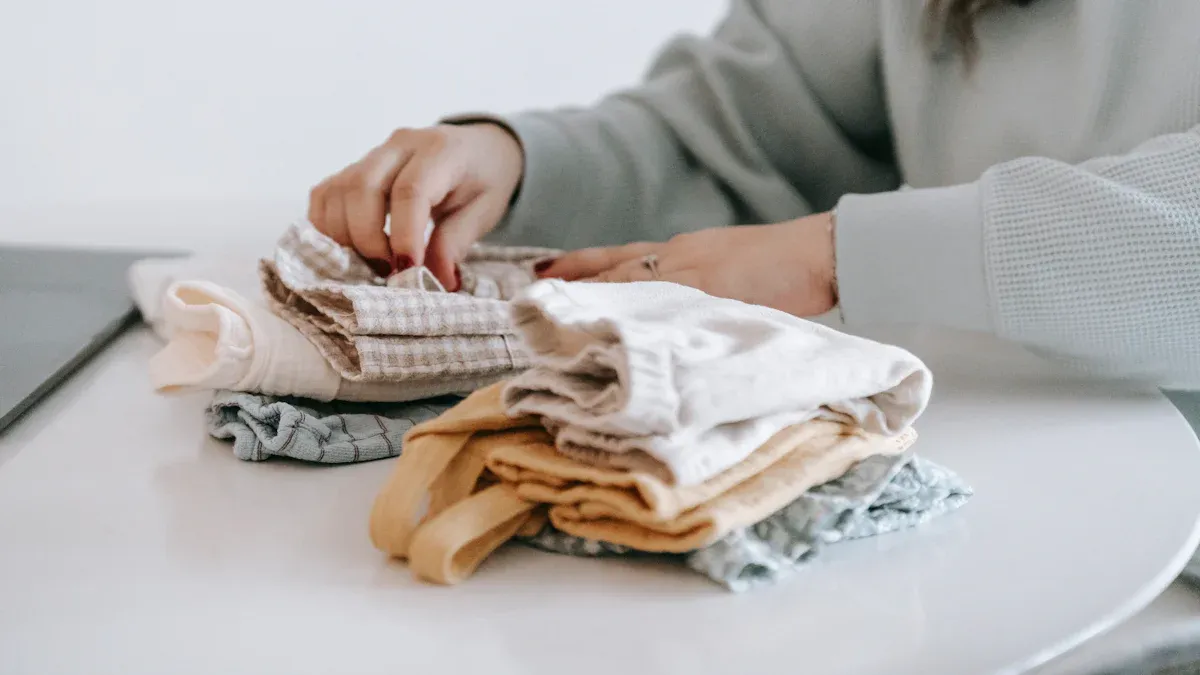
Caring for cotton baby clothes is essential for keeping them soft and durable. I’ve learned that proper maintenance can significantly extend the life of these garments. Did you know that a whopping 89% of parents prefer cotton-rich fabrics for their little ones? This preference highlights the importance of choosing the right materials. Focusing on washing, drying, and storing can make a world of difference in preserving your baby's wardrobe.
| Fabric Type | Consumer Preference for Infant/Toddler Clothes (%) |
|---|---|
| Cotton-rich | 89 |
| General synthetics | 1 |
| Polyester | 1 |
| Fleece | N/A |
| Wool | N/A |

Key Takeaways
- Always sort and pre-wash cotton baby clothes by color and check care labels to prevent damage and color bleeding.
- Use gentle detergents and cold water with a delicate wash cycle to keep cotton clothes soft and prevent shrinking.
- Air dry cotton baby clothes when possible to protect fabric softness and avoid damage from high heat in dryers.
- Store clean, dry clothes in breathable containers and fold knitted items to prevent stretching and maintain shape.
- Avoid common mistakes like ignoring care labels, overloading the washer, and using harsh chemicals to extend the life of baby clothes.
Sorting and Pre-Washing

Before washing my baby's cotton clothes, I always take a moment to sort and pre-wash them. This simple step can make a huge difference in maintaining their quality and appearance.
Check Labels
I always check the care labels on cotton baby clothes. These labels provide essential instructions that help me keep the garments in top shape. Common instructions include washing in cold water on a gentle cycle, using mild detergents, and avoiding bleach. Following these guidelines prevents shrinkage and fading, ensuring the clothes last longer. For organic cotton, I opt for plant-based detergents to maintain softness and integrity.
Separate Colors
Next, I separate the clothes by color. This practice prevents color bleeding, which can ruin the original look of the garments. By sorting whites, darks, and colors, I protect lighter fabrics from unwanted stains. Research shows that this simple step helps maintain the quality and lifespan of cotton baby clothes. It also allows me to follow specific washing instructions for different fabric types, ensuring that each piece receives the care it deserves.
Pre-Treat Stains
Stains are inevitable with babies, so I always pre-treat them as soon as possible. I use enzyme-containing products for organic stains like baby formula or bodily fluids. Here’s my go-to method for pre-treating:
- Treat stains immediately to prevent setting.
- Soak the stained clothes for at least 30 minutes.
- Use a prewash stain remover or liquid detergent for tougher stains.
- Wash in the warmest water safe for cotton fabric.
- Avoid putting stained clothes in the dryer until they are completely clean.
By following these steps, I can effectively tackle stains and keep my baby's cotton clothes looking fresh and vibrant.
Washing Techniques for Cotton Baby Clothes

When it comes to washing my baby's cotton clothes, I prioritize using the right techniques to ensure they remain soft and durable. Here are my go-to methods:
Use Gentle Detergents
I always choose gentle detergents for washing cotton baby clothes. These detergents help preserve the fabric's integrity and prevent harsh chemical damage. I avoid products with dyes and perfumes, as they can irritate my baby's sensitive skin.
Here’s a quick reference table of recommended detergents:
| Detergent Brand & Type | Recommendation Status | Detergent Type | Key Ingredient Notes | Reason to Avoid or Use |
|---|---|---|---|---|
| Babies R Us Baby Detergent (Liquid) | Recommended | Synthetic | HE Safe, no coconut-based ingredients | Use as directed; gentle and effective |
| Bac-Out (Liquid Booster) | Recommended | Plant Based | Contains enzymes | Excellent booster for detergents without enzymes |
| Kirkland Ultra Free and Clear | Recommended | Free and Clear | HE Safe, contains enzymes | Gentle and effective |
| Method (Liquid) | Recommended | Plant Based | HE Safe, no enzymes | Use with water softener if water is hard; gentle |
I’ve found that using gentle detergents not only keeps the clothes clean but also maintains their softness and durability. This is crucial since babies often wear these clothes multiple times a week.
Choose the Right Water Temperature
Selecting the right water temperature is vital for washing cotton baby clothes. I always opt for cold water (60°-80°F) because it is gentle on fabrics and prevents shrinkage and color fading. Here’s a quick overview of water temperatures and their effects:
| Water Temperature | Recommended Use for Cotton Baby Clothes | Effects on Fabric | Additional Notes |
|---|---|---|---|
| Cold Water (60°-80°F) | Best for most cotton baby clothes | Gentle on fabrics, prevents shrinkage and color fading | Recommended by experts; use mild detergent suitable for cold water; energy efficient |
| Warm Water (90°-110°F) | Acceptable for moderately soiled clothes | Less ideal for delicate fabrics; may cause some fading or shrinkage | Use cautiously; better for sturdier items like towels and jeans |
| Hot Water (130°F or more) | Not recommended for delicate cotton baby clothes | Causes shrinkage and color fading | Use only for heavily soiled, sturdy clothes; avoid for delicate baby clothes |
Using cold water helps maintain the quality of the cotton and extends the lifespan of the garments. I’ve noticed that this practice keeps the colors vibrant and the fabric intact, which is essential for my baby's wardrobe.
Select Appropriate Wash Cycles
I always select the gentle or delicate cycle when washing cotton baby clothes. This choice minimizes mechanical agitation and reduces wear on the fabric. Here are some tips I follow:
- Turn clothes inside out: This protects the outer surface from friction.
- Avoid overloading the washer: This ensures that each garment gets enough space to move freely, reducing stress on the fibers.
- Use low spin speeds: This prevents wrinkling and stretching, keeping the clothes looking fresh.
For very delicate items, I sometimes hand wash them with cool water and mild detergent. I avoid wringing them out; instead, I gently squeeze out excess water and lay them flat to dry. This method has proven effective in preserving the quality of my baby's cotton clothes.
By following these washing techniques, I ensure that my baby's cotton wardrobe remains in excellent condition, ready for all the adventures ahead!
Drying Methods for Cotton Baby Clothes
When it comes to drying my baby's cotton clothes, I have found that the method I choose can greatly impact their longevity and softness. Here are my preferred drying techniques:
Air Drying Benefits
I often opt for air drying my cotton baby clothes. This method is not only gentle but also helps maintain the fabric's integrity. Here are some key benefits I've experienced:
- Air drying is the most natural and gentle method, helping maintain the softness and integrity of cotton baby clothes.
- It prevents wear and tear caused by the high heat and aggressive cycles of tumble dryers.
- Air drying reduces electricity consumption, which appeals to my eco-conscious side.
- It avoids accidental damage from over-drying or excessive heat.
While air drying requires more time and space, I believe the benefits far outweigh the challenges. I love knowing that I’m preserving the shape, texture, and color of my baby's clothes while being kind to the environment.
Using a Dryer Safely
Sometimes, I need to use a dryer for convenience. When I do, I take several safety precautions to protect my cotton baby clothes:
- I always use the lowest heat setting possible to prevent fading and stiffening of fibers.
- I avoid over-drying clothes to maintain fabric softness and prevent damage.
- If my dryer has moisture sensors, I utilize them to optimize drying time.
- I clean the lint screen after every load to improve air circulation and reduce fire hazards.
- I use the cool-down cycle to finish drying clothes with residual heat.
- I regularly inspect dryer vents to ensure they are not blocked, which helps prevent fires and saves energy.
- I avoid dryer sheets, as they contain harmful chemicals that can damage organic fibers and pose health risks.
By following these steps, I ensure that my baby's cotton clothes come out of the dryer in great condition.
Avoiding Over-Drying
Over-drying is a common mistake that can significantly impact the fibers of cotton baby clothes. I’ve learned that tumble-drying causes shrinkage mainly due to mechanical agitation and forced air, not just temperature. Here’s what I keep in mind:
- Repeated drying cycles at high heat can reduce cotton fabric tensile strength by about 50% after just 20 cycles. This makes the fibers more prone to tearing.
- Even drying without heat can cause a 24% loss in tensile strength, indicating that mechanical tumbling alone damages fibers.
- Over-drying leads to shrinkage, weakened fibers, and accelerated wear, reducing the longevity and integrity of the fabric.
To avoid these issues, I keep drying times minimal and never fold and store baby clothes while damp. This practice prevents mildew and mold formation, ensuring my baby's cotton clothes remain fresh and ready for wear.
By adopting these drying methods, I can confidently maintain my baby's cotton wardrobe, ensuring it stays soft, durable, and beautiful for years to come.
Storing Cotton Baby Clothes
Storing cotton baby clothes properly is crucial for maintaining their quality and longevity. I’ve learned that the way I store these garments can significantly impact their condition over time.
Clean and Dry Storage
I always ensure that the storage area for my cotton baby clothes is clean and dry. Maintaining a relative humidity level of around 50%-55% is essential to prevent mold and mildew. I keep the temperature stable between 65°F and 70°F (18°C-21°C) and ensure proper air circulation. I avoid plastic bags that trap moisture and instead use desiccants like silica gel packs to absorb excess moisture. This simple practice keeps my baby's clothes fresh and ready for wear.
Folding vs. Hanging
When it comes to folding versus hanging, I prefer folding my cotton baby clothes. Here’s why:
| Storage Method | Advantages | Disadvantages | Fabric Suitability |
|---|---|---|---|
| Hanging | - Easy to see items - No need to fold clothes |
- Requires hangers - Needs space to hang - Can cause shoulder deformation on knitted fabrics |
Suitable for woven fabrics that do not stretch easily (e.g., blouses, shirts) |
| Folding | - Compact storage - No need for hangers - Can store large quantities |
- Requires folding effort - Items may be harder to locate |
Recommended for knitted cotton baby clothes to avoid stretching |
Folding helps prevent stretching and deformation, especially for knitted items like T-shirts and sweaters. I find that this method keeps everything organized and easy to access.
Use of Storage Bins
I’ve discovered that using the right storage bins is vital for preserving the quality of cotton baby clothes. Here are my top choices:
- Climate-controlled storage bins maintain consistent temperature and humidity, preventing fabric deterioration.
- I prefer breathable containers over vacuum-sealed bags to allow air circulation and avoid moisture buildup.
- Using archival-quality materials and clear labeling helps me organize and preserve special garments effectively.
These bins are larger than standard boxes and can be stacked safely, maximizing storage efficiency while protecting the clothes. By following these storage tips, I ensure that my baby's cotton wardrobe remains in excellent condition for years to come.
Common Mistakes to Avoid with Cotton Baby Clothes
When caring for my baby's cotton clothes, I’ve learned that avoiding common mistakes can make a significant difference in their longevity and appearance. Here are some pitfalls I steer clear of:
Ignoring Care Labels
I always pay close attention to care labels on cotton baby clothes. Ignoring these labels can lead to serious issues. For example, improper washing and drying can cause shrinkage and misshaping. Cotton fibers contract unevenly when exposed to the wrong heat and moisture. This can lead to irreversible damage like pilling and fiber weakening. I’ve seen how high heat can accelerate color fading and cause dye bleeding, making the clothes look worn out. Following care labels helps maintain softness, size, and overall integrity, saving me money by extending the usability of these garments.
Overloading the Washer
I used to think that cramming as many clothes as possible into the washer would save time. However, I quickly learned that overloading the washer prevents thorough cleaning of cotton baby clothes. Insufficient space reduces water and detergent circulation, leading to mildew buildup and potential fabric damage. I now wash smaller loads, allowing each garment enough space to move freely. This simple change has made a noticeable difference in how clean and fresh my baby's clothes come out.
Using Harsh Chemicals
I avoid using harsh chemicals when washing my baby's cotton clothes. Many detergents contain harmful substances that can irritate delicate skin. For instance, formaldehyde and phthalates are common in some products, and they pose health risks. Instead, I choose gentle, hypoallergenic detergents that are safe for my baby. This not only protects my child's skin but also helps preserve the quality of the fabric. By opting for natural alternatives, I ensure that my baby's clothes remain soft and safe.
By being mindful of these common mistakes, I can keep my baby's cotton wardrobe in excellent condition for years to come.
Caring for cotton baby clothes is crucial for their longevity and your family's budget. By adopting best practices, I can ensure these garments withstand the test of time. Here are some key points to remember:
- Invest in quality: Buying fewer, high-quality items saves money in the long run.
- Practice sustainability: Durable cotton clothes reduce waste and environmental impact.
- Establish routines: A consistent laundry schedule and immediate stain treatment keep clothes looking fresh.
These small efforts lead to significant savings and a healthier planet. Let's commit to caring for our baby's wardrobe and make a positive impact together!
0users like this.

Your cart is currently empty.